
If you are searching for how to remove bathtub drain components without damaging your plumbing, you are not alone. Many homeowners in King and Pierce County deal with slow drainage, rusted bathtub parts, clogged pipes, or an old stopper that no longer works properly. While some tub drain issues can be handled with basic tools, others may require professional drain removal services to avoid leaks and expensive plumbing damage.
At Upfront Bathroom Remodeling, we help homeowners across Washington with bathroom upgrades, bathtub replacements, and plumbing-related remodeling services. Understanding how bathtub drains work can help you decide whether to tackle the issue yourself or call a professional before the problem gets worse.
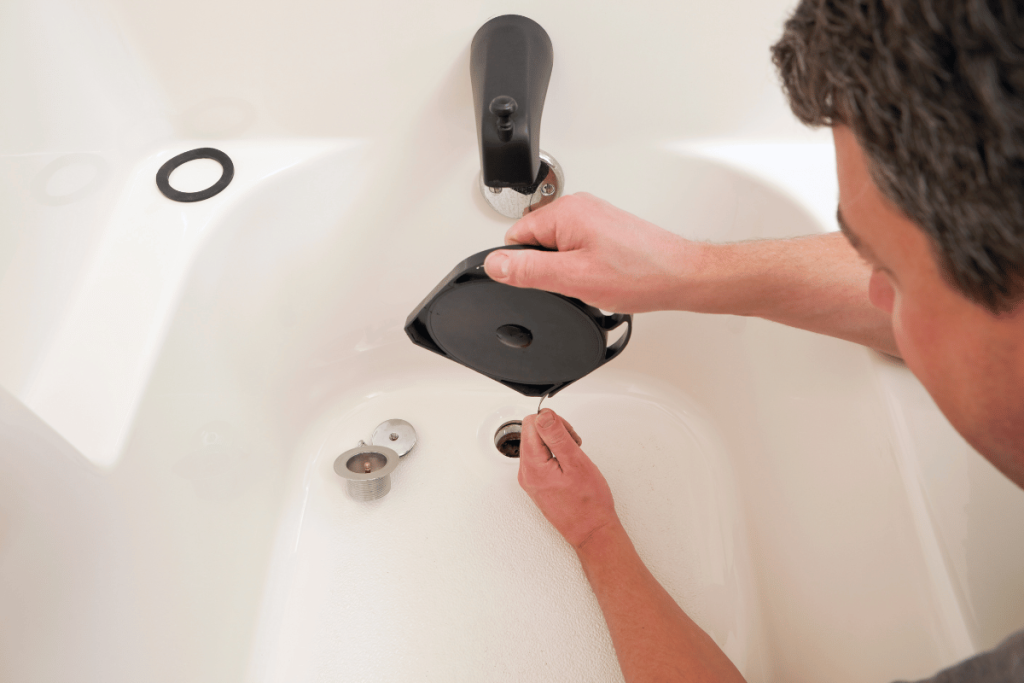
How to Remove Bathtub Drain Step by Step in Washington Homes
Removing a bathtub drain may seem simple, but different drain systems require different removal methods. Older homes across King and Pierce County often have outdated plumbing systems, corroded fittings, or hidden pipe damage that make DIY removal more difficult.
Identify the Type of Bathtub Drain Stopper
Before starting, you need to identify the type of drain stopper installed in your tub. Common bathtub drain systems include:
- Lift-and-turn stopper
- Push-and-pull stopper
- Toe-touch stopper
- Trip-lever drain
- Flip-it drain
- Pop-up drain stopper
Each type uses a different removal method. Trying to force the wrong type can crack the drain flange or damage the internal plumbing connection.
Gather the Right Tools
Most bathtub drain removal jobs require a few common plumbing tools:
- Drain wrench
- Screwdriver
- Needle-nose pliers
- Putty knife
- Adjustable wrench
- Large pipe extractor
- Plumber’s putty
- Cleaning cloth
A drain wrench is especially helpful because it grips the internal crossbars inside the drain basket. If the crossbars are broken or rusted, a large pipe extractor may be needed instead.
Remove the Drain Stopper
The first step is removing the stopper itself.
Lift-and-Turn Stopper
- Hold the stopper firmly
- Turn the knob counterclockwise
- Remove the screw underneath
- Pull the stopper out
Toe-Touch Stopper
- Press the stopper to open it
- Twist the cap counterclockwise
- Remove the internal screw
- Pull the stopper assembly free
Trip-Lever Drain
A trip-lever drain uses an internal lever mechanism connected to the overflow drain. Remove the overflow plate screws first, then slowly pull the internal linkage assembly out.
These systems are common in older Washington homes and may contain corrosion or buildup inside the pipe.
Remove the Drain Flange
After the stopper is removed, place the drain wrench into the drain opening.
Turn the wrench counterclockwise to loosen the drain flange. Some bathtub drains come out easily, while older drains may require extra force due to rust, old putty, or mineral buildup.
If the flange does not move:
- Apply penetrating lubricant
- Wait several minutes
- Use steady pressure
- Avoid sudden twisting that may crack the pipe
Once loosened, remove drain components carefully and clean away old plumber’s putty around the tub drain.
Common Problems During Bathtub Drain Removal
Many homeowners start a bathtub drain removal project expecting a quick repair but run into hidden plumbing issues. Bathrooms in older parts of King and Pierce County often have aging drain systems that become fragile over time.
Rusted or Frozen Drain Parts
Moisture exposure causes metal drain components to corrode. Rust can lock the drain basket tightly into place, making removal difficult without specialty tools.
Signs include:
- Orange or dark staining
- Drain flange deterioration
- Cracked crossbars
- Water leaking below the tub
Broken Crossbars Inside the Drain
The drain wrench depends on intact crossbars to grip the drain. If the internal bars break apart, standard tools may no longer work.
In these situations, professionals often use:
- Internal pipe extractors
- Specialized drain removal kits
- Heat-assisted loosening methods
Trying aggressive DIY methods can damage the pipe below the bathtub.
Old Putty and Sealant Problems
Old plumber’s putty hardens over time. During drain removal, hardened putty can stick tightly to the tub surface and surrounding plumbing connections.
Improper cleaning may lead to:
- Poor resealing
- Future leaks
- Water damage behind walls
- Mold growth under the bathtub
Hidden Pipe Damage
Some bathtub drain systems already have hidden plumbing damage before removal begins.
Common issues include:
- Cracked pipes
- Loose fittings
- Corroded joints
- Water damage around the overflow drain
This is especially common in older homes throughout Washington where original plumbing may still be installed.
Why Professional Bathtub Drain Removal Matters in King & Pierce County
While basic drain stopper replacement can sometimes be handled at home, complete bathtub drain removal is not always straightforward. Professional service helps protect your bathroom plumbing and prevents larger remodeling expenses later.
Proper Drain Removal Without Pipe Damage
Professional contractors understand how different bathtub systems connect below the surface. They can safely remove drain parts without cracking pipes or damaging the tub itself.
This matters because pipe repairs behind walls or under floors are far more expensive than the original drain issue.
Correct Resealing and Waterproofing
After the old drain is removed, the new drain assembly must be sealed correctly using plumber’s putty or approved waterproof materials.
Improper installation can lead to:
- Slow leaks
- Mold
- Rotting subfloors
- Bathroom water damage
Experienced remodeling professionals make sure the tub drain is sealed properly for long-term performance.
Faster Diagnosis of Hidden Bathroom Problems
During bathtub drain removal, professionals may spot additional problems such as:
- Drain line clogs
- Overflow drain leaks
- Pipe corrosion
- Ventilation issues
- Water damage behind tile
Catching these problems early helps homeowners avoid major repair bills later.
How Much Does Bathtub Drain Removal Cost in Washington?
The cost of bathtub drain removal in Washington depends on several factors, including the condition of the plumbing and the type of drain installed.
Typical factors affecting price include:
| Service Factor | Impact on Cost |
|---|---|
| Rusted drain removal | Higher labor time |
| Broken crossbars | Specialty extraction tools needed |
| Drain replacement | Additional materials |
| Pipe repairs | Increased plumbing work |
| Bathroom remodeling upgrades | Expanded project scope |
Simple drain stopper replacements are usually inexpensive, while full drain removal with plumbing repair costs more.
Homes in King and Pierce County with older plumbing systems may require additional repair work once the drain is removed.
Signs Your Bathtub Drain Needs Replacement
Some bathtub drains simply need cleaning, while others should be fully replaced.
Water Drains Slowly
A slow drain may indicate:
- Hair buildup
- Soap residue
- Pipe blockage
- Internal corrosion
Repeated clogging often means the drain assembly is deteriorating internally.
The Stopper No Longer Works
If the stopper sticks, will not seal, or keeps popping open, the internal mechanism may be damaged.
Older trip-lever drain systems commonly develop linkage problems over time.
Visible Rust or Cracks
Rust around the drain flange usually means moisture has been sitting inside the metal components for years.
Cracks or corrosion should not be ignored because leaks can spread beneath the tub.
Water Leaks Under the Tub
Leaks around the drain opening or overflow drain may cause:
- Soft flooring
- Mold smells
- Ceiling stains below upstairs bathrooms
- Tile damage
Professional inspection is recommended immediately when leaks appear.
How Often Should Bathtub Drains Be Inspected?
Most homeowners only notice the bathtub drain after a clog or leak appears. However, regular inspection helps prevent expensive plumbing emergencies.
You should inspect your tub drain:
- Every 6 to 12 months
- After noticing slow drainage
- Before bathroom remodeling projects
- When replacing old bathtubs
- If you notice moisture around the tub
Routine maintenance extends the life of your plumbing system and helps avoid emergency repairs.
Bathtub Drain Maintenance Tips for Washington Homeowners
Simple maintenance can reduce the chances of major drain problems.
Keep Hair Out of the Drain
Install a drain cover to catch hair before it enters the pipe system.
This helps prevent:
- Clogs
- Slow drainage
- Pipe buildup
Avoid Chemical Drain Cleaners
Harsh cleaners can damage older plumbing systems and weaken pipe connections over time.
Instead, use:
- Hot water flushing
- Baking soda and vinegar
- Manual drain cleaning tools
Check the Drain Stopper Regularly
A loose stopper can create drainage problems and stress the internal mechanism.
If the stopper becomes difficult to move, inspect it before the issue worsens.
Reseal Aging Bathtub Drains
Older bathtub drains may need fresh plumber’s putty or updated sealing materials to maintain a watertight connection.
This is especially important in humid bathroom environments.
Why Choose Professional Bathroom Remodeling in King & Pierce County?
Bathroom plumbing issues are often connected to larger remodeling concerns. Replacing an old tub drain sometimes reveals outdated fixtures, worn plumbing, or water damage that should be addressed together.
At Upfront Bathroom Remodeling, we help homeowners improve bathroom functionality, drainage performance, and overall comfort with reliable remodeling solutions tailored to Washington homes.
Our team understands the unique challenges found in bathrooms across King and Pierce County, including older plumbing systems, moisture exposure, and aging fixtures.
We proudly serve homeowners throughout the region, including areas near Seattle, Tacoma, Bellevue, Kent, Auburn, Puyallup, and surrounding communities.
Whether you need help with drain removal, tub upgrades, waterproofing, or complete bathroom remodeling, working with experienced professionals protects your home and gives you long-lasting results.
If your bathtub drain is leaking, rusted, clogged, or impossible to remove safely, professional support can save time, prevent damage, and restore proper bathroom function quickly.