
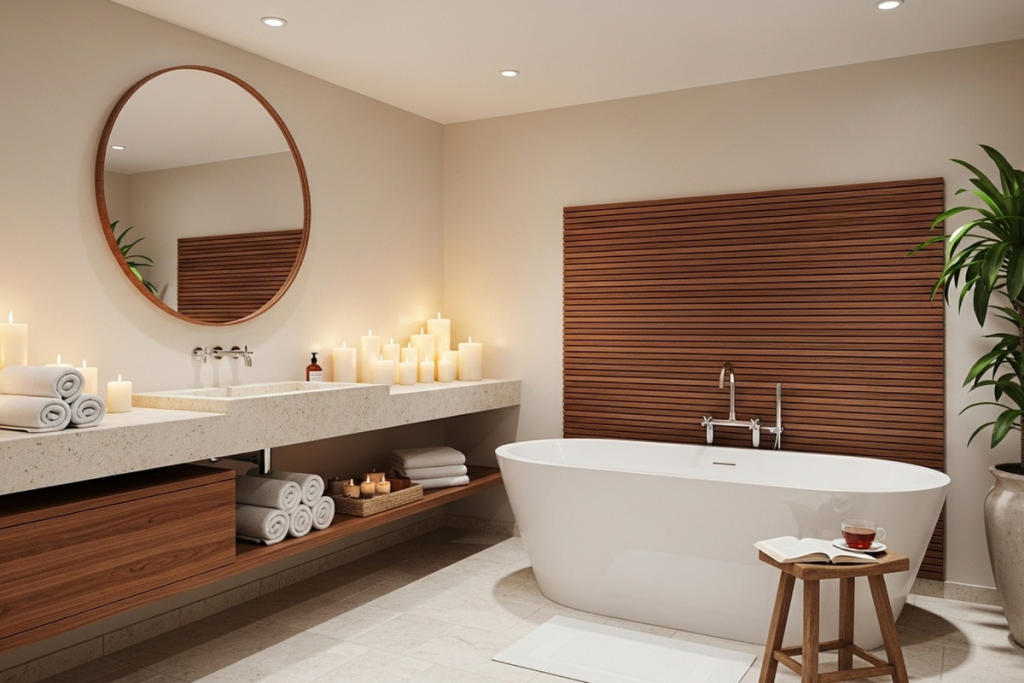
How to Remodel a Bathroom: A Complete Step-by-Step Guide for Homeowners
A bathroom is one of the most frequently used spaces in any home. Over time, fixtures wear out, designs become outdated, and layouts stop working for your needs. Many homeowners begin to learn how to remodel a bathroom when they want to transform an aging room into something more comfortable and functional.
Bathroom remodeling is more than simply replacing a sink or installing new tiles. A well planned renovation can improve daily comfort, increase property value, and create a space that reflects your ideal version of modern living. Whether you want a simple refresh or a full home improvement project, planning ahead helps ensure your bathroom upgrades deliver lasting results.
In this step guide, homeowners can learn how to remodel a bathroom by understanding planning, budgeting, layout planning, and material choices. From creating a simple sketch of your room design to choosing bathroom fixtures and decorating ideas, the right approach allows you to turn your current space into your ideal version of a comfortable and stylish bathroom.
What Should You Know Before Remodeling a Bathroom?
Why Bathroom Remodeling Is One of the Best Home Upgrades
Bathroom remodeling is one of the most effective home improvement projects because it improves both comfort and value. A well designed bathroom remodel enhances everyday convenience while introducing better bathroom design features and updated bathroom fixtures.
Benefits of a bathroom remodel include:
• Increased property value
• Improved comfort and usability
• Updated bathroom design and decorating ideas
• Better energy and water efficiency
• Modern bathroom upgrades that improve functionality
Even small bathroom upgrades can significantly improve the appearance and usability of your bathroom space.
What Are the Signs It’s Time to Remodel Your Bathroom?
Many homeowners decide to learn how to remodel a bathroom when their existing space begins to show signs of wear or outdated design.
Common signs include:
• Outdated bathroom fixtures and finishes
• Water damage or moisture problems
• Poor layout that wastes valuable space
• Cracked tiles or worn flooring
• Limited storage around bathroom vanities
• Old shower systems that lack efficiency
If your bathroom shows several of these issues, remodeling allows you to redesign the space while improving functionality and style.
Step-by-Step Process: How to Remodel a Bathroom
Understanding the process helps homeowners learn how to remodel a bathroom efficiently while avoiding costly mistakes.
Step 1: Plan Your Bathroom Remodel
Planning is the most important stage of a successful renovation.
Determine your renovation goals
Start by identifying what you want to improve in your bathroom. Your goals may include better storage, modern bathroom design, new bathroom fixtures, or a larger shower.
Decide between a partial remodel or full renovation
A partial remodel keeps the existing four walls and focuses on upgrades such as replacing tiles, installing new bathroom fixtures, or updating bathroom vanities.
A full renovation may involve adjusting the room design, relocating plumbing, or expanding the space.
Create a remodeling timeline
A clear timeline allows homeowners to coordinate each stage of the project, from planning to final installation.
Step 2: Set a Realistic Budget
Budget planning ensures your bathroom remodel stays manageable.
Typical bathroom remodeling costs
Costs depend on the size of the bathroom, materials used, and labor involved. Even modest bathroom upgrades can improve the space without requiring a luxury budget.
Factors that influence remodeling costs
• Bathroom size
• Material choices such as tiles or vanity surfaces
• Labor costs for plumbing and installation
• Structural changes within the existing four walls
Homeowners often reduce costs by choosing smart materials. For example, you can use lower-cost tile in large areas while reserving decorative tiles for accents.
Step 3: Design Your New Bathroom Layout
Thoughtful bathroom design ensures the space works efficiently.
Choose a layout that improves functionality
A well planned layout ensures your bathroom vanities, shower, and storage areas fit comfortably within the space.
Consider space saving ideas
Smart room design strategies help maximize space:
• Wall mounted bathroom vanities
• Compact storage cabinets
• Corner sinks
• Recessed shelves
These ideas improve usability while maintaining a clean appearance.
Optimize lighting and ventilation
Lighting improves visibility while ventilation prevents moisture buildup. Both are essential for long term bathroom durability.
Step 4: Choose Bathroom Materials and Fixtures
Material selection strongly influences both the appearance and durability of your bathroom.
Selecting tiles and flooring
Tiles remain one of the most popular choices for bathroom flooring and shower walls because they resist moisture and wear. Many homeowners combine white tiles with accent tiles to create elegant bathroom design themes.
Choosing sinks, vanities, and countertops
Bathroom vanities provide essential storage while shaping the room design. Selecting the right vanity improves both style and organization.
Picking bathtubs, showers, and toilets
Modern bathrooms often include:
• Walk in shower systems
• Efficient toilets
• Comfortable tubs designed for relaxation
Selecting lighting and hardware finishes
Lighting fixtures, handles, and faucets should match the overall bathroom design style.
Step 5: Obtain Permits and Prepare for Construction
Some bathroom renovations require permits depending on the scope of work.
When permits are required
Permits are typically necessary if plumbing lines are moved, electrical systems are updated, or structural elements change.
Understanding local building regulations
Local building codes ensure all home improvement work meets safety standards.
Preparing your home for construction
Before work begins:
• Remove personal items from the bathroom
• Protect nearby areas from dust
• Prepare alternative bathroom arrangements
Step 6: Demolition and Removal of Old Materials
Demolition clears the space for new construction.
Removing fixtures and flooring
Old bathroom fixtures, cabinets, and tiles are removed carefully to avoid damaging the structure.
Inspecting plumbing and structural components
Once the space is open, contractors inspect plumbing, framing, and ventilation.
Preparing surfaces for installation
Walls and floors are reinforced before new tiles or bathroom fixtures are installed.
Step 7: Install Plumbing, Electrical, and Structural Components
Hidden systems must be installed before finishing surfaces.
Plumbing upgrades
New plumbing supports modern bathroom fixtures and efficient shower systems.
Electrical wiring and lighting
New wiring supports improved lighting and ventilation systems.
Framing and waterproofing
Waterproofing ensures the shower and flooring areas remain protected from moisture damage.
Step 8: Install Flooring, Walls, and Tile
With structural work complete, visible finishes are installed.
Tile installation process
Tiles are carefully installed across floors and shower walls to create durable surfaces.
Waterproofing methods
Special membranes and sealants protect moisture prone areas.
Wall finishing and painting
Moisture resistant paint protects walls and complements the bathroom design.
Step 9: Install Bathroom Fixtures and Features
Once the structural work and surfaces are complete, the finishing elements are installed.
Installing vanities and cabinets
Bathroom vanities provide storage while defining the room design.
Installing showers, bathtubs, and toilets
The shower, tub, and toilet are connected to plumbing systems and tested.
Installing mirrors, lighting, and accessories
Mirrors, shelves, and lighting complete the bathroom upgrades and improve usability.
Step 10: Final Touches and Inspection
The final stage ensures the bathroom remodel meets quality standards.
Final plumbing and electrical checks
All bathroom fixtures are tested to ensure proper operation.
Cleaning and finishing details
Construction dust and debris are removed to reveal the finished space.
Final inspection and quality check
Inspections ensure the bathroom remodel meets safety standards and design expectations.
How to Remodel a Bathroom in Washington: Important Local Considerations
Understanding Washington State Building Codes
Permit requirements for bathroom renovations
Bathroom remodeling projects often require permits when plumbing or electrical work is involved.
Plumbing and electrical code considerations
Licensed professionals ensure your home improvement project complies with Washington building regulations.
Choosing Materials That Work Well in Washington Homes
Washington homes benefit from moisture resistant materials.
Moisture resistant materials
Quality tiles and waterproof finishes prevent long term moisture damage.
Durable flooring and tile options
Porcelain tiles and durable flooring materials perform well in humid environments.
Energy efficient fixtures
Modern bathroom fixtures reduce water consumption while maintaining strong performance.
How Much Does It Cost to Remodel a Bathroom in Washington?
Average Bathroom Remodeling Costs
• Basic Remodel: Minor upgrades and new fixtures with lower cost range
• Mid Range Remodel: Updated tiles, vanity, and shower with moderate cost
• Luxury Remodel: Custom layout and premium materials with higher cost
Factors That Affect Bathroom Remodeling Costs
Size of the bathroom
Larger bathrooms require more materials and labor.
Quality of materials
Premium tiles and custom bathroom vanities increase project cost.
Custom design features
Special features such as decorative tiles, larger shower systems, or custom cabinetry influence overall pricing.
Labor and contractor experience
Experienced contractors ensure high quality installation and compliance with regulations.
Popular Bathroom Remodeling Ideas for Modern Homes
Walk In Showers and Frameless Glass Enclosures
Walk in showers create open and spacious bathroom layouts while improving accessibility.
Floating Vanities and Modern Storage Solutions
Floating bathroom vanities help maximize floor space while improving room design.
Spa Like Bathroom Features
Many homeowners want bathrooms that feel like relaxing retreats.
Popular spa features include:
• Rainfall shower systems
• Freestanding bathtubs
• Heated flooring
Smart Bathroom Technology
Technology is becoming increasingly common in bathroom upgrades.
Examples include:
• LED mirrors
• Smart lighting systems
• Touchless faucets
DIY vs Professional Bathroom Remodeling: Which Is Better?
Benefits of DIY Bathroom Remodeling
Some homeowners enjoy completing smaller home improvement projects themselves.
Benefits may include:
• Lower upfront costs
• Greater control over design decisions
• Personal involvement in decorating ideas
Risks of DIY Bathroom Renovations
However, DIY projects can introduce challenges.
Potential risks include:
• Plumbing mistakes around shower systems
• Electrical issues during installation
• Code compliance problems
• Long term repair costs
Why Choose Professional Bathroom Remodeling Services?
Professional remodeling contractors bring valuable expertise to renovation projects.
Expert Design Guidance
Professionals help homeowners refine their bathroom design while selecting materials that fit their space and budget.
High Quality Craftsmanship
Experienced installers ensure tiles, shower systems, and bathroom fixtures are installed correctly.
Efficient Project Management
Coordinating demolition, plumbing, electrical work, and installation requires careful planning.
Compliance with Building Codes and Safety Standards
Professional contractors ensure every stage of the project meets Washington building regulations.
How Long Does a Bathroom Remodel Take?
Typical Bathroom Remodeling Timeline
Most bathroom remodels follow a structured schedule.
• Planning and design phase
• Demolition and preparation
• Installation and finishing
Factors That May Extend Remodeling Timelines
Some factors can lengthen the timeline:
• Structural changes within the existing four walls
• Custom bathroom fixtures with longer delivery times
• Permit approvals
Serving Homeowners Across Washington
Upfront Bathrooms Remodeling proudly serves homeowners across Washington. Our experienced team provides bathroom remodeling services in Seattle, Tacoma, Bellevue, Kent, Renton, Federal Way, Auburn, Puyallup, Lakewood, Spanaway, and surrounding communities.
Whether you want simple bathroom upgrades, a modern shower installation, or a complete bathroom remodel, we help homeowners transform their space with quality craftsmanship and thoughtful bathroom design.
Start Your Bathroom Remodeling Project with Upfront Bathroom Remodeling
Schedule a Consultation
If you want to learn how to remodel a bathroom successfully, working with experienced professionals makes the process easier and more efficient. Upfront Bathroom Remodeling offers personalized consultations to help homeowners plan every stage of their renovation.
Discuss Your Design Vision
Our team works closely with you to develop bathroom design ideas that match your needs, style, and budget. From selecting tiles and bathroom fixtures to planning storage around bathroom vanities, we help create a space that reflects your ideal version of a comfortable and functional bathroom.
Transform Your Bathroom with Expert Craftsmanship
Upfront Bathroom Remodeling provides professional bathroom remodeling services built on experience, reliability, and attention to detail. Whether you are upgrading a shower, installing new tiles, or redesigning your entire bathroom space, our team delivers high quality results.
Contact Upfront Bathroom Remodeling today to begin your bathroom renovation and turn your vision into reality.