
If you have ever wondered, how many gallons is the average bathtub, you are not alone. Whether you are planning a bathroom renovation, comparing different bathtubs, or trying to estimate water usage, knowing the capacity of a bathtub is useful. It helps homeowners understand how much water they will need for a comfortable bath while also considering efficiency and plumbing requirements.
The answer depends on the style and size of the tub, but most residential bathtubs hold between 40 and 80 gallons when completely full. However, people rarely fill a tub to the very top, so the amount of water used during a typical bath is often lower.
In this guide, we will explain average bathtub capacities, compare different tub styles, and discuss the factors that affect water usage.
How Many Gallons Is the Average Bathtub?
When asking how many gallons is the average bathtub, the standard answer is around 50 gallons. A typical bathtub can hold anywhere from 40 to 80 gallons depending on its dimensions and design.
Most homeowners fill the tub only about two-thirds full before getting in, as the body displaces some of the water. This means the actual amount of water used during a bath is often between 30 and 50 gallons.
Understanding how many gallons your bathtub can hold is especially helpful if you are planning a bathroom remodel or choosing a replacement for your existing fixture.
Average Bathtub Capacity by Type
Different bathtubs are designed with different capacities. Here are some common examples:
- Standard alcove tub: 40 to 60 gallons
- Soaking tub: 60 to 80 gallons
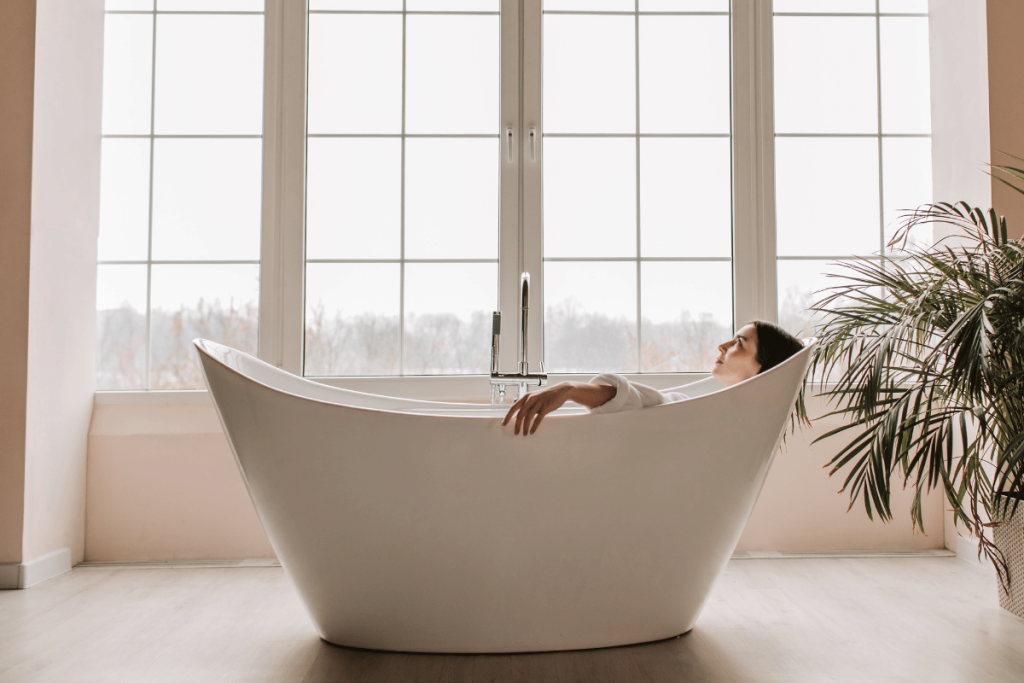
- Freestanding bathtubs: 55 to 90 gallons
- Corner tubs: 70 to 120 gallons
- Whirlpool tubs: 60 to 110 gallons
Larger tubs provide a deeper soaking experience but require more water and may place additional demands on your plumbing system.
Factors That Affect Water Capacity
Several factors determine how many gallons a bathtub can hold.
Bathtub Size
Longer, wider, and deeper tubs naturally require more water. Even a few extra inches in depth can significantly increase the total gallons a bathtub can hold.
Tub Shape
The interior design of the tub affects its average volume. Some tubs have sloped sides or built-in seating, reducing the amount of water needed for a comfortable bath.
Water Fill Level
Although manufacturers list the maximum gallons a bathtub can hold, most people never fill it completely. Leaving space prevents overflow once someone enters the bath.
Material
Materials such as acrylic, cast iron, and stone do not directly change capacity, but they influence heat retention, allowing bath water to stay warm longer.
Bath or Shower: Which Uses More Water?
Many homeowners compare taking a bath with using a shower.
A standard shower typically uses between 15 and 25 gallons of water, depending on the showerhead flow rate and how long the shower lasts.
A bath generally uses between 30 and 50 gallons of water, making it the higher water consumer in most situations. However, a very long shower may end up using more water than an average bath.
If reducing water usage is your goal, choosing efficient fixtures throughout the bathroom can make a noticeable difference.
Why Water Capacity Matters During Bathroom Planning
Knowing how many gallons is the average bathtub helps with more than just filling the tub.
It also assists when planning:
- Water heater size
- Plumbing requirements
- Bathroom layout
- Family water usage
- Fixture replacement decisions
A larger tub may require additional hot water storage to provide a comfortable bathing experience. If your water heater cannot keep up, you may run out of hot water before the tub is full.
Choosing the Right Tub for Your Bathroom
When selecting a new tub, think beyond appearance. Consider how much water it will require, how often it will be used, and whether it fits your daily routine.
Some homeowners prefer compact tubs that conserve water, while others enjoy larger freestanding tubs designed for relaxation. If space is limited, a standard tub paired with a shower offers an excellent balance between functionality and comfort.
You may also want to explore bathtub accessories that improve convenience and comfort without increasing water consumption.
Signs It May Be Time for a Replacement
If your existing tub has cracks, stains, leaks, or outdated features, it may be time to consider a replacement.
Replacing an old bathtub provides several benefits:
- Improved comfort
- Better water efficiency
- Updated appearance
- Easier maintenance
- Better compatibility with modern plumbing fixtures
A professionally installed tub can also increase the value and appeal of your bathroom.
Contact Upfront Bathrooms
If you are planning to upgrade your bathroom or install a new bathtub, the experienced team at Upfront Bathrooms is ready to help. From selecting the ideal tub to complete bathroom renovations, we focus on quality workmanship and practical solutions that match your home and lifestyle. Whether you are interested in modern bathtubs, stylish bathroom designs, or expert installation, we can help you create a space you’ll enjoy for years to come.
Final Thoughts
Understanding how many gallons is the average bathtub makes it easier to choose the right fixture for your home and estimate your water usage. While the average bathtub holds around 50 gallons, actual capacity varies depending on the design, size, and style of the tub.
Whether you are comparing bathtubs, planning a new bathroom, or considering a replacement, knowing the average capacity helps you make informed decisions. By selecting a tub that fits your space, lifestyle, and plumbing system, you can enjoy a comfortable bath while managing water usage efficiently.